


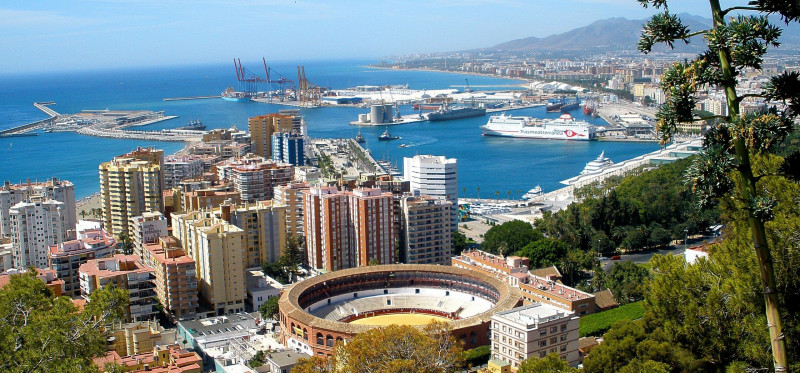
A Blend of Tradition and Modernity
Málaga, a vibrant city on Spain’s southern coast, is not just the gateway to the Costa del Sol, but also a cultural hub with a rich history, diverse traditions, and a thriving contemporary art scene. It blends the charm of ancient customs with the dynamism of modern artistic movements. From its Moorish architecture to its vibrant festivals, Málaga offers an unforgettable cultural experience for both locals and visitors.
1. Historical Influences and Architectural Marvels
Málaga’s culture is deeply rooted in its long and varied history, stretching back over 2,800 years. The city has been shaped by several civilizations, including the Phoenicians, Romans, Visigoths, and Moors, each leaving its mark on the landscape and culture. This multicultural heritage is visible throughout Málaga’s architecture.
- Alcazaba and Gibralfaro Castle: Two of the most famous historical landmarks in Málaga are the Alcazaba, a Moorish fortress dating back to the 11th century, and the Gibralfaro Castle. Together, they offer a glimpse into the city’s Islamic past. Their strategic location provides stunning views over Málaga, and they are a must-see for history enthusiasts.
- Roman Theatre: Another relic from Málaga’s past is the Roman Theatre, located at the foot of the Alcazaba. Built in the 1st century BC, it was rediscovered in the 1950s and now serves as a venue for cultural events.
- Málaga Cathedral: Nicknamed "La Manquita" (the one-armed lady) because one of its towers was never completed, Málaga Cathedral is a stunning example of Renaissance architecture with Baroque touches. It is a testament to the city’s Christian history following the Reconquista.
2. Art and Museums
Málaga is the birthplace of Pablo Picasso, one of the most influential artists of the 20th century. This connection to such an iconic figure has fostered a deep appreciation for the arts in the city.
- Picasso Museum: Located in the heart of the old town, the Picasso Museum showcases a vast collection of the artist’s works, offering insight into his various artistic phases. It’s a cultural pilgrimage for Picasso fans from around the world.
- Centre Pompidou Málaga: An extension of the renowned Centre Pompidou in Paris, this museum brings modern and contemporary art to Málaga’s Muelle Uno port area. Its colorful, cube-shaped building is as iconic as the art within, showcasing works from the 20th and 21st centuries.
- Carmen Thyssen Museum: Focused primarily on 19th-century Spanish art, the Carmen Thyssen Museum is another cultural gem. It houses an impressive collection of Andalusian-themed paintings, giving visitors a unique perspective on the region's history and lifestyle.
- CAC Málaga (Centro de Arte Contemporáneo): For lovers of contemporary art, CAC Málaga offers a dynamic collection of modern art exhibitions, often featuring cutting-edge, experimental works from both local and international artists.
3. Festivals and Celebrations
Málaga’s cultural calendar is brimming with festivals that showcase the city’s deep-rooted traditions. Some of these festivals are centuries old, while others are more modern, but all contribute to the vibrant cultural life of the city.
- Feria de Málaga: This lively festival in August celebrates the city's reconquest by the Catholic monarchs. The streets come alive with flamenco, music, parades, and traditional costumes. During the day, the festivities are family-friendly, while the night parties last until dawn.
- Semana Santa: Málaga’s Holy Week is one of the most significant in Spain. The processions, which date back to the 16th century, are elaborate and deeply spiritual. Beautifully crafted religious statues are paraded through the streets, accompanied by traditional music and throngs of participants and spectators.
- Noche de San Juan: Every June 23rd, Málaga’s beaches light up with bonfires as the city celebrates the arrival of summer. People gather to jump over the fires, swim in the sea at midnight, and enjoy fireworks in a magical night of tradition.
4. Cuisine: A Culinary Journey Through Andalusia
Málaga’s culture extends to its cuisine, with flavors and dishes that reflect the region’s rich agricultural heritage and coastal location. The local cuisine is deeply Mediterranean, characterized by fresh ingredients and traditional Andalusian techniques.
- Espetos: One of the most iconic dishes of Málaga is “espetos,” grilled sardines skewered on a stick and cooked over an open flame. Typically enjoyed on the beach, they represent the city’s connection to the sea.
- Gazpachuelo: A comforting fish soup made with potatoes and mayonnaise, gazpachuelo is a typical dish of Málaga, often served during colder months.
- Sweet Málaga Wine: Málaga is known for its sweet, fortified wines made from the Muscat grape. These wines have been produced in the region for centuries and pair perfectly with local desserts like “torta de aceite” (olive oil cake).
5. Flamenco: A Dance of Passion and Soul
Flamenco is the heartbeat of Andalusian culture, and Málaga is no exception. This passionate dance and music form, with its roots in the gypsy communities of southern Spain, is a vibrant part of the city’s cultural scene. You can find intimate flamenco performances in traditional “tablaos” across the city, where the powerful combination of guitar, singing, and dance brings the spirit of Andalucía to life.
- Peña Juan Breva: One of the most famous places to experience authentic flamenco in Málaga, this traditional flamenco club is dedicated to preserving the art form’s history while showcasing the talent of modern performers.
6. The Influence of the Mediterranean Lifestyle
One of the most striking aspects of Málaga’s culture is the relaxed and friendly Mediterranean lifestyle. The city’s residents, known as “malagueños,” embody a laid-back, yet vibrant approach to life. From long, leisurely meals shared with family and friends to late-night strolls along the beach, Málaga’s culture is deeply tied to the natural rhythm of the Mediterranean.
- Plaza de la Merced: This lively square, located near Picasso’s birthplace, is a great example of the city’s social culture. Cafés and bars line the square, where locals and visitors alike gather to enjoy the warm weather, good food, and conversation.


