


Unveiling the Typical Holidaymaker Profile
Málaga, known for its sun-kissed beaches and bustling coastal towns, is witnessing an unexpected twist in tourism trends: a rural tourism boom. More travelers are swapping the bustling Costa del Sol for the quiet charm of the countryside. But who are these holidaymakers’ seeking tranquillity in Málaga’s rural heartlands? Let’s delve into the typical profile of these tourists and why they are turning to the less explored side of this Andalusian province.
- Urban Escapees Seeking Serenity
The most prominent group driving this rural tourism surge consists of urban dwellers craving a break from their fast-paced lives. These are professionals, often between 30 and 50 years old, living in big cities like Madrid, Barcelona, and even foreign capitals. After spending months surrounded by concrete and noise, they yearn for the peaceful allure of Málaga’s whitewashed villages, rolling hills, and natural parks. The contrast between their daily urban life and rural retreats makes this form of holiday a mental escape, offering a space for relaxation and reflection.
- The Nature Enthusiasts
Another core demographic includes nature lovers—people passionate about hiking, birdwatching, or outdoor photography. They are typically active, adventure-driven individuals, ranging in age from millennials to retirees. Málaga’s rural areas boast pristine landscapes like the Sierra de las Nieves National Park and Montes de Málaga, ideal for eco-tourism and adventure activities. These tourists are drawn to the beauty of unspoiled nature, scenic trails, and opportunities for wildlife spotting.
- Family Travelers Opting for a Slower Pace
Families with young children are also fueling this rural tourism boom. After years of overcrowded resorts, parents are now seeking a slower, more authentic experience for their kids. In the rural areas of Málaga, families can explore traditional Andalusian customs, take part in agricultural activities, or simply enjoy time together in a relaxed environment. The countryside offers space and safety, where children can roam and families can reconnect, far from the usual tourist hotspots.
- Remote Workers Seeking a Change of Scene
The rise of remote work post-pandemic has contributed to a new type of rural tourist: the "workation" traveler. Typically younger professionals, between 25 and 45, these holidaymakers bring their laptops and settle in rural Málaga to combine work with relaxation. The region’s quietude, combined with the slower pace of life, provides an ideal atmosphere for productivity. With reliable internet in many rural accommodations, remote workers are finding Málaga's countryside a great alternative to their home offices.
- Cultural Explorers
Rural Málaga attracts a niche of tourists fascinated by Andalusian culture and history. These travelers, often aged 45 and above, are more interested in the heritage of rural Spain than beach holidays. They seek out stays in traditional cortijos (farmhouses), visit local wineries, and explore the region’s small towns rich with history, such as Ronda and Antequera. For these tourists, it’s all about slow, immersive travel—tasting local cuisine, attending festivals, and discovering the timeless traditions of rural Andalusia.
- Sustainability-Conscious Tourists
The shift towards eco-friendly travel has also been a key factor in the rural tourism boom. Many visitors today are consciously choosing destinations that promote sustainable practices. These holidaymakers, usually well-educated professionals or students with an environmental mindset, are drawn to eco-lodges, farm stays, and organic food experiences. They prefer to support local, small-scale businesses, and rural Málaga offers plenty of opportunities to engage with the land in an environmentally respectful way.
Why Málaga?
So, why is Málaga’s countryside becoming a prime destination for these varied groups of tourists?
- Authentic Andalusian Experience: Rural Málaga offers a glimpse into a more traditional, authentic side of Andalusian life, away from the commercialized beach resorts.
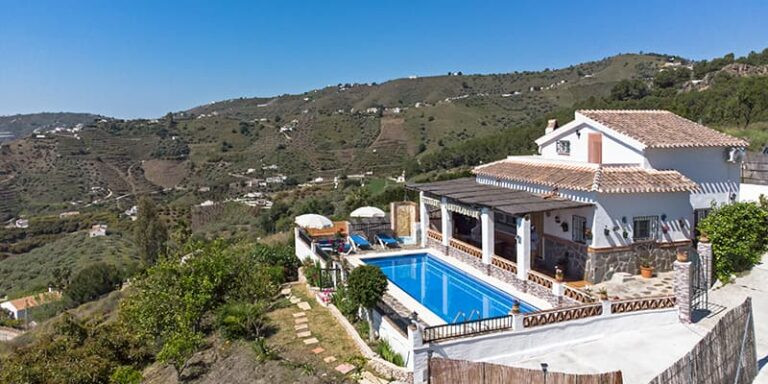
- Affordable Luxury: Rural accommodation, from charming villas to country homes, often comes at a fraction of the cost of coastal hotels, providing more space and privacy.
- Access to Nature: With national parks, olive groves, and picturesque mountain ranges, Málaga’s rural regions provide natural beauty in abundance.
- Less Crowded: Especially appealing post-pandemic, these regions are far less crowded than Málaga’s coastal areas, offering tourists a safer, more peaceful holiday option.
- Culinary Richness: Rural Málaga is known for its farm-to-table experiences, where visitors can taste local cheeses, wines, and olive oils, all while learning about the area’s agricultural heritage.
The Future of Rural Tourism in Málaga
As more travelers seek out unique, personalized experiences, Málaga’s rural tourism looks set to grow even further. With its combination of nature, culture, and tranquility, rural Málaga offers a compelling alternative to the typical beach holiday. The profile of tourists flocking to this part of Spain may be diverse, but they all share a common goal: to experience something different, deeper, and more meaningful.
In the coming years, as sustainability and remote work continue to influence travel choices, we can expect rural tourism in Málaga to not only thrive but also redefine what Andalusian holidays are all about.


